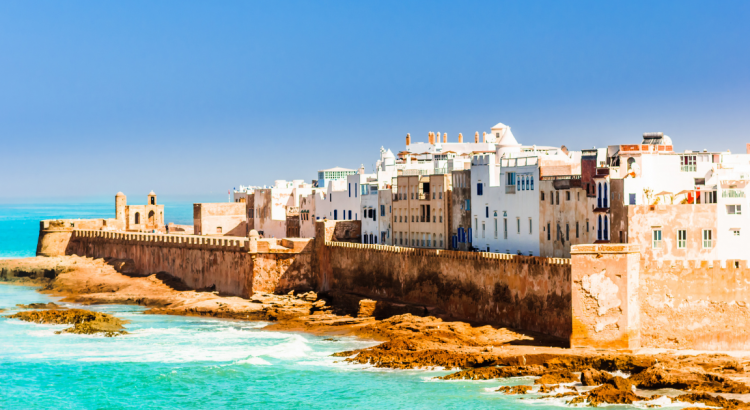
Morocco is one of the most fascinating destinations in North Africa. A land of ancient traditions, warm hospitality, rich flavors, golden deserts, and lively cities, Morocco offers a unique blend of African, Arab, and European influences. Its landscapes range from colorful medinas and bustling souks to snowy mountains and vast dunes, making it an unforgettable place for every type of traveler.
In this travel guide prepared for QuickT-ravelBooking, discover everything you need to know about Morocco: its main regions, top attractions, climate, and the best times to plan your trip.
Why Morocco Is a Must-Visit Destination
Morocco’s charm lies in its authenticity. While the country has modern cities and luxurious resorts, it still preserves its historic soul—seen in its traditional architecture, ancient Kasbahs, desert camps, and artisan markets. Travelers fall in love with its flavors, colors, and contrasts.
Morocco is also close to Europe and well-connected to major airports, making it convenient and relatively affordable to visit. Whether you want beaches, cultural immersion, desert adventures, or relaxing mountain retreats, Morocco offers it all.
Main Regions of Morocco and What They Offer
Morocco is divided into 12 administrative regions, each with distinct landscapes, culture, and experiences. Here are the most important ones for tourism:
Marrakech–Safi – Culture, Cuisine & Historic Charm
Marrakech is the most famous city in Morocco, known for its vibrant medina and lively atmosphere.
Top attractions:
- Jemaa el-Fnaa square
- Majorelle Garden & Yves Saint Laurent Museum
- Bahia Palace and Saadian Tombs
- Traditional souks and rooftop restaurants
The region also includes Essaouira, a coastal town loved for its relaxed vibe, beaches, seafood, and water sports.
Fès–Meknès – Tradition, History & Spirituality
Fès is considered Morocco’s cultural and spiritual capital, home to one of the oldest universities in the world.
Highlights:
- Fès el-Bali, a UNESCO World Heritage medina
- Al-Qarawiyyin University
- Handicraft workshops and leather tanneries
- Historic mosques and city gates
Nearby Meknès offers imperial architecture and beautiful countryside.
Rabat–Salé–Kénitra – The Capital & Coastal Beauty
Rabat, Morocco’s capital city, is elegant, clean, and full of history.
What to see:
- Hassan Tower
- Chellah archaeological site
- Oudaya Kasbah
- Beautiful Atlantic beaches
It’s a quieter and more modern region, ideal for travelers who enjoy a calmer environment.
Casablanca–Settat – Business, Culture & Modern Morocco
Casablanca is Morocco’s largest city and economic center. It blends tradition with modern life.
Highlights:
- Hassan II Mosque (one of the largest in the world)
- Art Deco architecture
- Atlantic coast and Corniche area
It’s a practical base for business and leisure travelers.
Tangier–Tetouan–Al Hoceima – Mediterranean Views & Multicultural History
This northern region offers a blend of Moroccan, Spanish, and European influences.
Attractions:
- Tangier’s historic medina and port
- Chefchaouen, the famous Blue City
- Rif Mountains
- Mediterranean beaches
Chefchaouen is one of Morocco’s most photographed destinations, known for its blue-painted streets.
Draa–Tafilalet – Desert Adventures & Kasbah Routes
This region is home to Morocco’s iconic Sahara desert experiences.
Must-see highlights:
- Merzouga and the Erg Chebbi dunes
- Camel treks at sunset
- Desert camps under starry skies
- Ancient kasbahs and oases
It’s the perfect region for adventure lovers and photographers.
Souss–Massa – Beaches, Nature & Relaxation
Located in the south, this region features beautiful beaches and national parks.
Top spots:
- Agadir, a sunny beach city
- Souss-Massa National Park
- Atlantic coastal towns and surf hotspots
It’s a great choice for families and beach lovers.
Climate in Morocco: What to Expect
Morocco has diverse climates due to its geography, from oceanic influences to desert heat and mountain cold. Here’s a simplified overview:
Coastal Areas (Casablanca, Rabat, Essaouira)
- Mild temperatures year-round
- Cool winters (12°C–18°C / 54°F–65°F)
- Warm summers (22°C–28°C / 72°F–82°F)
Interior and Desert Regions (Marrakech, Fès, Sahara)
- Hot summers (35°C–42°C / 95°F–108°F)
- Cool to cold winters (8°C–15°C / 46°F–59°F)
Atlas Mountains
- Cold winters with snow
- Mild summers perfect for trekking
Because of the temperature contrasts, packing layers is always a good idea.
Best Time to Visit Morocco
The best time to visit Morocco depends on the type of experience you want.
✔ Best overall months: March to June & September to November
These are the most pleasant months, with mild temperatures and clear skies.
Time for desert trips (Sahara)
- March to May
- September to November
Avoid peak summer due to extreme heat.
Best time for beaches (Agadir, Essaouira, Mediterranean coast)
- June to September
Warm, sunny, and ideal for swimming.
Time for visiting cities (Marrakech, Fès, Rabat)
- October to April
Temperatures are comfortable for walking and sightseeing.
Best time for snow and mountain lovers
- December to February
Great for exploring the Atlas Mountains.
What Makes Morocco So Special?
Morocco continues to captivate travelers because it offers:
✔ A unique mix of Arab, Berber, African & European influences
✔ Colorful markets, arts, and ancient traditions
✔ Breathtaking desert landscapes
✔ Beautiful beaches and coastal cities
✔ Stunning mountain ranges
✔ Flavorsome cuisine (couscous, tagine, mint tea)
✔ Warm hospitality and rich cultural heritage
It’s a destination where every city, region, and experience feels different and full of character.
Conclusion
Morocco is a country that surprises at every turn—whether you’re wandering through the narrow alleys of Marrakech, relaxing on the beaches of Agadir, trekking the Atlas Mountains, or spending a magical night in the Sahara Desert. With its diverse regions, pleasant climate, deep culture, and warm people, Morocco is one of the most remarkable destinations in the world.
Whether you’re seeking adventure, culture, romance, or relaxation, Morocco has the perfect experience waiting for you.