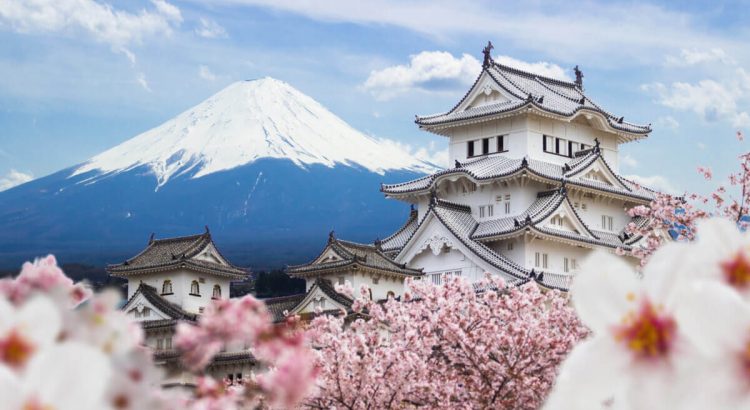
Japan is one of the most captivating destinations in the world. It blends centuries-old traditions with cutting-edge technology, ancient temples with modern skyscrapers, and peaceful nature with bustling cities. From snowy mountains to tropical beaches, from neon-lit streets to quiet bamboo forests, Japan offers unique travel experiences for every type of visitor.
In this complete guide, you’ll learn about Japan’s main regions and prefectures, top attractions, weather, and the best times to visit.
Why Japan Is a Must-Visit Destination
Japan stands out for its culture, safety, cleanliness, efficiency, and hospitality. Travelers fall in love with its food, landscapes, festivals, and the contrast between old and new. Whether your interest is history, pop culture, nature, or gastronomy, Japan delivers unforgettable moments.
Main Regions of Japan and What They Offer
Japan is divided into 8 major regions, composed of 47 prefectures. Each region has its own culture, climate, and attractions.
1. Kanto — Tokyo and the Heart of Modern Japan
Kanto is home to Tokyo, one of the most dynamic cities in the world.
Top destinations:
Tokyo
A mix of tradition and innovation.
- Shibuya Crossing
- Asakusa and Senso-ji Temple
- Akihabara (anime, games, and electronics)
- Tokyo Skytree
- Harajuku and fashion districts
Yokohama
Japan’s second-largest city, known for its bayside views.
- Minato Mirai
- Chinatown
Kanagawa (Kamakura & Hakone)
- Great Buddha of Kamakura
- Hot springs (onsen)
- Views of Mount Fuji
Perfect for travelers who enjoy big cities, nightlife, shopping, and cultural sites.
2. Kansai — History, Temples, and Cultural Heritage
Kansai is considered Japan’s cultural heart.
Kyoto
Famous for its temples, gardens, and traditions.
- Fushimi Inari Shrine
- Kinkaku-ji (Golden Pavilion)
- Gion and geisha culture
Osaka
Modern, fun, and known for great food.
- Dotonbori
- Osaka Castle
- Universal Studios Japan
Nara
A peaceful city filled with history.
- Todaiji Temple
- Deer Park
This region is perfect for culture lovers and food enthusiasts.
3. Hokkaido — Snow, Nature, and Outdoor Adventures
Japan’s northernmost island is famous for its winter landscapes and outdoor activities.
Highlights:
- Sapporo Snow Festival
- Niseko (world-class ski resort)
- Lakes, mountains, and national parks
- Fresh seafood and dairy products
Ideal for travelers who enjoy skiing, hiking, and cold-weather destinations.
4. Tohoku — Mountains, Onsen, and Rural Japan
A less-visited region with amazing scenery and warm hospitality.
Must-see places:
- Sendai
- Lake Towada
- Ginzan Onsen (picturesque hot-spring town)
- Samurais of Aizu
Perfect for those seeking peaceful landscapes and authenticity.
5. Chubu — Mount Fuji and Japan’s Scenic Heart
This central region offers some of Japan’s most iconic views.
Nagano
- Snow monkeys in Jigokudani
- Ski resorts
Shizuoka & Yamanashi
- Best views of Mount Fuji
- Fuji Five Lakes
Aichi (Nagoya)
- Castles and technology museums
Chubu combines mountains, nature, and modern cities.
6. Chugoku — History and Coastal Landscapes
Located in western Honshu, this region blends beauty and historical importance.
Hiroshima
- Peace Memorial Park
- Miyajima Island
Okayama
- Korakuen Garden
Tottori
- Tottori Sand Dunes
Great for travelers interested in history and scenic views.
7. Shikoku — Pilgrimages and Natural Beauty
Known for its peaceful countryside and religious routes.
Highlights:
- 88-temple pilgrimage route
- Naruto whirlpools
- Traditional villages
- Beautiful coastlines
Perfect for slow-paced travel.
8. Kyushu — Volcanoes, Beaches, and Hot Springs
Kyushu is warm, tropical in some areas, and full of natural wonders.
Top spots:
Fukuoka
A lively city with amazing food.
Beppu
One of Japan’s top hot-spring cities.
Kagoshima
- Sakurajima volcano
Okinawa (Southern Islands)
Technically separate, but often grouped with the region due to climate.
- Beaches with turquoise water
- Unique culture and cuisine
- Perfect for summer vacations
Climate in Japan: What to Expect
Japan has four distinct seasons, but climate varies by region.
Spring (March–June)
- Mild weather
- Cherry blossoms (sakura)
Summer (June–September)
- Hot and humid
- Ideal for beaches (Okinawa)
- Many festivals (matsuri)
Autumn (September–December)
- Comfortable temperatures
- Beautiful red and golden foliage
Winter (December–March)
- Cold, especially in the north
- Best for skiing and snowboarding
- Illuminations and winter festivals
Best Time to Visit Japan
Best Overall Months
March–May (spring)
September–November (autumn)
These seasons offer mild weather and beautiful scenery.
For Cherry Blossoms
Late March to early April
(Varies by region)
For Snow and Skiing
December to February
(Hokkaido and Nagano)
For Beaches and Islands
June to September
(Okinawa and southern Japan)
For Cheaper Prices and Fewer Crowds
January, February, and early December
Why Japan Captivates Travelers
✔ Perfect balance between ancient culture and futuristic cities
✔ Safe, organized, and clean
✔ World-famous cuisine: sushi, ramen, tempura, matcha
✔ Unique festivals, temples, and traditions
✔ Stunning natural landscapes
✔ Efficient public transportation
✔ Experiences for every type of traveler
Japan is a destination that inspires curiosity, admiration, and awe.
Conclusion
Japan is a country that offers endless possibilities—from technologically advanced cities like Tokyo and Osaka to the calm beauty of Kyoto’s temples and the majestic nature of Hokkaido and Okinawa. With its rich culture, diverse regions, four distinct seasons, and unforgettable attractions, Japan provides experiences that stay with travelers forever.
Whether you’re exploring historical landmarks, hiking mountains, tasting world-class cuisine, or relaxing in hot springs, Japan promises a journey that is magical, enriching, and truly unique.