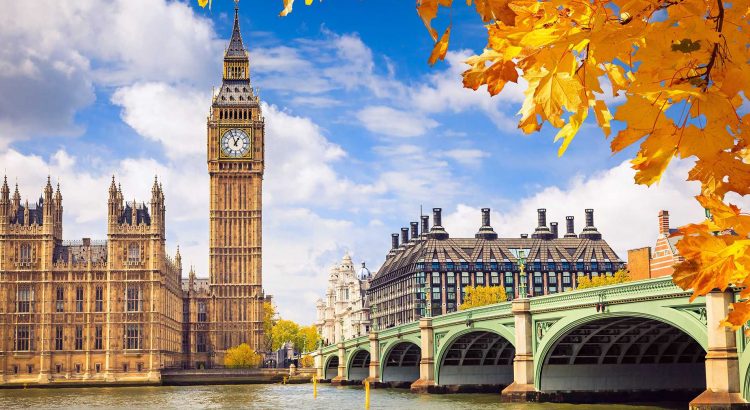
England is one of the world’s most iconic travel destinations. Known for its rich history, multicultural cities, charming countryside, legendary landmarks, and refined traditions, the country welcomes millions of visitors every year. Whether you love culture, nature, food, nightlife, or history, England offers a wide variety of experiences for every type of traveler.
In this complete guide prepared for QuickT-ravelBooking, discover everything you need to know about England its regions, top attractions, climate, and the best times to visit.
Why England Is an Unmissable Destination
England blends tradition and modernity in a way few countries can. It is home to globally known attractions like the Big Ben, Tower Bridge, Stonehenge, and the British Museum, while also offering contemporary art, innovative gastronomy, vibrant nightlife, and spectacular natural landscapes.
Moreover, England has excellent public transportation, high safety standards, and diverse experiences — from cosmopolitan cities to peaceful rural areas. It is a destination that suits families, couples, solo travelers, and adventure seekers.
Main Regions of England and What They Offer
England is divided into several regions, each with its own character, cultural identity, and attractions. Below are the most important for tourism:
1. London & the South East — Modern Vibes and Iconic Landmarks
London, England’s capital and cultural heart, is located in the South East region. This is the busiest and most cosmopolitan area of the country.
Highlights:
- Big Ben and the Houses of Parliament
- London Eye
- Tower of London
- Buckingham Palace
- British Museum
- Covent Garden, Soho and Camden Town
The region also offers coastal towns like Brighton, known for its bohemian atmosphere and pebble beaches.
Perfect for travelers who love culture, history, shopping, and urban experiences.
2. South West England — Beaches, Castles, and Countryside
The South West is famous for its coastal views, dramatic cliffs, and medieval sites.
Top attractions:
- Stonehenge
- Bath and its Roman thermal baths
- Cornwall’s beaches
- The Jurassic Coast (UNESCO World Heritage Site)
Great for those seeking picturesque landscapes, history, and outdoor activities.
3. Midlands — Industrial Heritage and Natural Beauty
Located in the center of the country, the Midlands offer a mix of historical sites, countryside views, and lively cities.
What to visit:
- Birmingham
- Nottingham (land of Robin Hood)
- The Peak District National Park
- Stratford-upon-Avon, birthplace of Shakespeare
Ideal for travelers interested in literature, hiking, and British cultural heritage.
4. Northern England — Culture, Music, and Stunning Scenery
Northern England is home to charming cities, rugged landscapes, and rich cultural traditions.
Highlights:
- Manchester (music, football, nightlife)
- Liverpool (The Beatles, maritime history)
- Lake District National Park
- York and its medieval architecture
Perfect for those who want to explore nature, iconic music history, and unique small towns.
5. East of England — Coastlines and Historical Architecture
This region is known for its tranquil beaches, cathedrals, and peaceful countryside.
Top destinations:
- Cambridge and its prestigious university
- Norfolk’s beaches
- Colchester, the oldest recorded town in England
A great option for travelers seeking relaxation, scenic routes, and cultural experiences.
6. North East England — Castles and Scenic Landscapes
A quieter region, but full of charm and heritage.
Must-see:
- Newcastle upon Tyne
- Durham Cathedral
- Alnwick Castle (famous for Harry Potter scenes)
- Northumberland’s wild coastal areas
Fantastic for travelers interested in castles, history, and nature.
Climate in England: What to Expect Throughout the Year
England has a temperate oceanic climate, influenced by the Atlantic. Weather can change quickly, so it’s common to experience sun, clouds, and rain on the same day.
Spring (March to June)
Mild temperatures and blooming nature. Great for cities and countryside.
Summer (June to September)
Warmest period, long days, ideal for outdoor activities — but also high season.
Autumn (September to December)
Cool weather and colorful landscapes. Perfect for cultural trips and photography.
Winter (December to March)
Cold temperatures, especially in the north. Good for Christmas markets and indoor attractions.
Best Time to Visit England
The ideal time to visit depends on your travel style:
For city trips (London, Manchester, Liverpool):
April to June and September to October — pleasant temperatures and fewer crowds.
For countryside and beaches (Cornwall, Jurassic Coast):
June to September — warm and sunny days.
For lower prices and fewer tourists:
October to March — except during Christmas and New Year holidays.
For cultural events and festivals:
- May: Chelsea Flower Show
- August: Notting Hill Carnival
- December: Christmas markets and winter lights
Overall, May, June, September, and October are considered the best months to explore England with mild weather and moderate prices.
What Makes England So Special?
✔ A blend of history, tradition, and modernity
✔ World-famous museums, parks, and landmarks
✔ Castles, countryside landscapes, and coastal beauty
✔ Rich music, literature, and cultural heritage
✔ Safe, accessible, and easy to explore
✔ Perfect for all types of travelers
England is a destination that inspires, surprises, and delights — no matter how many times you visit.
Conclusion
England is a versatile and unforgettable travel destination. Whether you want to explore the lively streets of London, relax in the countryside, tour medieval cities, discover literary heritage, or enjoy coastal views, England offers experiences that stay with you forever.
With diverse regions, a unique culture, mild climate, and attractions for every traveler, England stands out as one of the most complete and charming destinations in Europe.