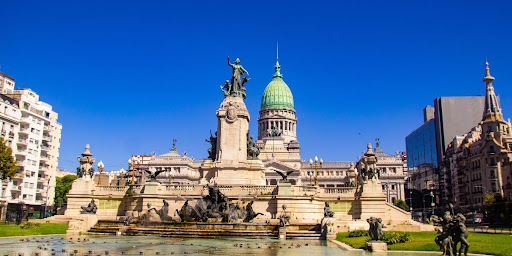
Argentina

Argentina is one of the most captivating destinations in South America. Rich in culture, history, natural diversity, and unique experiences, the country enchants travelers looking for adventure, gastronomy, award-winning wines, snow, tango, or vibrant big cities. Visiting Argentina feels like taking several trips in one, as each region has its own personality, climate, and attractions.

In this complete guide prepared for QuickT-ravelBooking, you’ll discover everything you need to plan your trip: the main provinces and regions, what to do, how the climate works, and the best time to visit.


Why Is Argentina an Unmissable Destination?

Argentina blends stunning landscapes, modern cities, extreme nature, remarkable cuisine, and prices often more affordable than in Europe or the U.S. Plus, it’s close to Brazil, making travel simple and convenient.

At the same time, it’s a country full of surprises: giant mountains, otherworldly glaciers, colorful deserts, historic towns, charming vineyards, and renowned ski resorts.


Main Regions of Argentina and What They Offer

Argentina is divided into 23 provinces plus the Autonomous City of Buenos Aires. Each one offers unique experiences for travelers.


Buenos Aires — Culture, Gastronomy & Architecture

The capital is the most visited destination in the country and one of the most charming cities in the continent. Known as the “Paris of South America,” Buenos Aires mixes history, art, tango, and irresistible gastronomy.

Things to do:

  • Walk around San Telmo and La Boca
  • Watch a tango show
  • Visit Casa Rosada and Plaza de Mayo
  • Explore museums and historic cafés
  • Shop in Recoleta or Palermo

It’s an excellent destination year-round.


Mendoza — Land of Wine and the Andes Mountains

Located at the foot of the Andes, Mendoza is Argentina’s main wine region. Famous for its Malbec wines, it offers sophisticated experiences and breathtaking landscapes.

Highlights:

  • Tours of renowned wineries
  • Gourmet food and wine pairings
  • Aconcagua, the highest mountain in the Americas
  • Bike rides through the vineyards

Perfect for those seeking nature, tranquility, and exceptional cuisine.


Patagonia — Wild Nature and Adventure

Argentine Patagonia is, without question, one of the most impressive regions on the planet. Spanning the provinces of Chubut, Santa Cruz, Río Negro, and Tierra del Fuego, it offers cinematic landscapes.

Main attractions:

  • Ushuaia: the southernmost city in the world
  • El Calafate: home to the stunning Perito Moreno Glacier
  • Bariloche: snow, lakes, and chocolate
  • Hiking, boat tours, mountains, and wildlife

Ideal for adventure lovers and nature enthusiasts.


Northwest Argentina — Colors, Culture & Unique Landscapes

The provinces of Salta, Jujuy, Tucumán, and Catamarca form one of the most breathtaking regions in the country, with colorful deserts, multicolored mountains, historic villages, and strong Indigenous heritage.

What to visit:

  • Quebrada de Humahuaca (UNESCO World Heritage)
  • Salinas Grandes
  • Cachi and Cafayate
  • High-altitude wines

It’s a unique and highly photogenic destination.


Córdoba — Mountains, History & Youthful Energy

Córdoba is famous for its mountain ranges, rivers, outdoor activities, and vibrant student life.

Highlights:

  • Villa General Belgrano and its German heritage
  • Calamuchita Valley
  • Cultural festivals
  • Trails and adventure sports

A great destination for families.


Argentine Litoral — Waterfalls, Nature & Regional Culture

In provinces like Entre Ríos, Corrientes, and Misiones, visitors find lush green areas, wildlife, and cultural traditions.

The main highlight is Misiones, home to the spectacular Iguazu Falls, one of the world’s natural wonders.


Climate in Argentina: What to Expect in Each Region

Argentina has a wide variety of climates due to its size and geography. Here’s a breakdown:

Buenos Aires and Central Region

  • Climate: temperate
  • Summer: hot (28°C to 35°C / 82°F to 95°F)
  • Winter: mild to cool (8°C to 15°C / 46°F to 59°F)

Patagonia

  • Climate: cold and dry
  • Summer: 10°C to 20°C (50°F to 68°F)
  • Winter: very cold, snowy (0°C to -15°C / 32°F to 5°F)

Mendoza

  • Climate: arid
  • Summer: hot days (30°C / 86°F) and cool nights
  • Winter: dry and cold

Northwest

  • Climate: desert-mountain
  • Summer: dry and hot
  • Winter: mild days, cold nights

North & Litoral

  • Climate: subtropical
  • Summer: very hot and humid
  • Winter: mild and pleasant

Best Time to Visit Argentina

The best time depends on your travel purpose, but in general, these periods are the most recommended:

Autumn (March to May)

The best season to explore most regions—mild temperatures and beautiful landscapes.

Spring (September to November)

Great weather, ideal for exploring cities, wineries, and the north.

Winter (June to August)

Perfect for snow in Bariloche, Ushuaia, and Patagonia.

Summer (December to February)

Good for lakes, beaches, and outdoor activities, but hot in Buenos Aires and the north.

Best time by interest:

  • Snow: June to August
  • Wine regions: March and April (harvest season)
  • City trips: April, May, September, October
  • Patagonia: October to March

What Makes Argentina So Special?

Beyond landscapes and culture, Argentina offers:

✔ Rich gastronomy — empanadas, dulce de leche, meats, wine
✔ Excellent hospitality
✔ Easy access from nearby countries
✔ Affordable prices in many regions
✔ A huge variety of travel styles

It’s a destination that blends romance, adventure, relaxation, and excitement.


Conclusion

Argentina is a complete and versatile destination that pleases both first-time travelers and experienced explorers. With cinematic landscapes, charming cities, great food, and remarkable cultural experiences, the country delivers everything a traveler could hope for.

Whether you want to ski in Patagonia, taste world-class wines in Mendoza, watch a tango show in Buenos Aires, or explore colorful deserts in the north, your trip will be unforgettable.
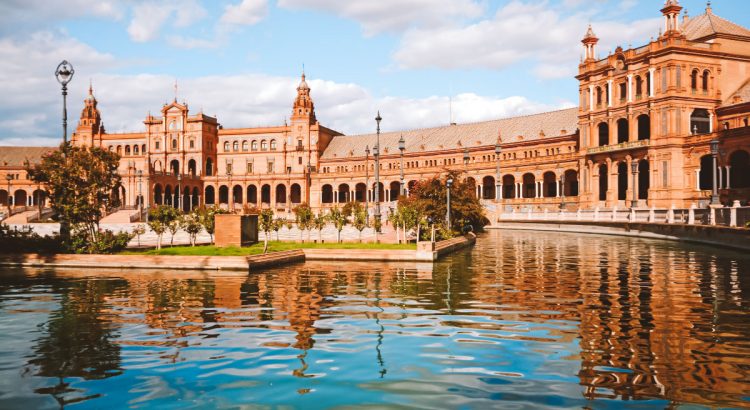

Spain

Spain is one of the most fascinating tourist destinations in Europe and the world. With a unique combination of ancient history, vibrant culture, world-famous cuisine, spectacular beaches, cosmopolitan cities and charming small towns, the country has something special for every type of traveler.

Whether it is a romantic getaway, a family vacation, a cultural immersion or a gastronomic adventure, Spain is always at the top of travel lists — and for good reason.

Why Visit Spain?

Spain is a complete destination, offering attractions for all interests.

Culture and History
Spain is the cradle of ancient civilizations and home to an impressive architectural heritage, from Roman ruins to Gothic cathedrals and Moorish palaces.

Award-Winning Gastronomy
Tapas, paella, Iberian ham, wine and traditional desserts like churros with chocolate create unforgettable culinary experiences.

Diverse Landscapes
From the Mediterranean coastline and the Pyrenees mountains to the plains of Castile and the beaches of Costa del Sol, each region offers unique scenery.

Pleasant Climate
Most of the country has a Mediterranean climate, ideal for travel during much of the year.

Nightlife and Festivals
Spain is famous for its lively nightlife and traditional celebrations such as La Tomatina and the Fallas Festival in Valencia.

Main Regions and Cities in Spain

Spain is divided into 17 autonomous communities, each with its own cultural identity. Here are some of the main regions and what they offer.

1. Madrid — The Beating Heart of Spain

The capital is a dynamic metropolis known for its major museums, parks and lively nights.

Highlights:

Museum of Prado, Reina Sofía and Thyssen-Bornemisza
Retiro Park
Plaza Mayor and Royal Palace
Neighborhoods like Malasaña and La Latina with tapas bars

Madrid blends tradition and modernity, perfect for travelers seeking art, history and an energetic urban atmosphere.

2. Catalonia — Barcelona and Beyond

Catalonia has a strong cultural identity and its own language (Catalan), in addition to some of the country’s most iconic attractions.

Highlights:

Barcelona: Sagrada Família, Park Güell and Las Ramblas
Costa Brava: stunning beaches
Pyrenees Mountains

It is ideal for travelers who want a mix of culture, beach and outdoor nature.

3. Andalusia — Land of Sun and Flamenco

Located in southern Spain, Andalusia is the birthplace of many classic Spanish traditions.

Highlights:

Seville: Cathedral, Alcázar and flamenco shows
Granada: Alhambra, one of the most beautiful palaces in the world
Córdoba: Mosque-Cathedral
Costa del Sol with sunny beaches

Andalusia is perfect for those looking for warm weather, Moorish architecture and rich history.

4. Basque Country — Gastronomy and Modern Culture

In northern Spain, the Basque Country is known for its world-class cuisine and green landscapes.

Highlights:

Bilbao: Guggenheim Museum
San Sebastián: city beaches and pintxos

It is a region that combines exceptional food with modern design and natural beauty.

5. Valencian Community — Beaches and Unique Festivals

This coastal region offers much more than sun and sea.

Highlights:

Valencia: City of Arts and Sciences and urban beaches
Las Fallas: a famous festival featuring giant artistic sculptures

It is perfect for travelers who want contemporary architecture, festivals and beach days.

What to Do in Spain

Unmissable Experiences

Taste tapas and Spanish wines in traditional bars
Visit historic castles and cathedrals
Watch a flamenco performance
Relax on Mediterranean or Atlantic beaches
Explore world-renowned museums
Join traditional festivals such as La Tomatina (Buñol) or San Fermín (Pamplona)

Climate in Spain and Best Times to Visit

Main Climates

Spain has different climate zones:

Mediterranean Climate: Hot, dry summers and mild winters (east and south coast)
Continental Climate: Cold winters and hot summers (inland)
Oceanic Climate: Mild temperatures and more rain (north)

Best Times to Travel

Spring (March to June)
One of the best seasons to visit most of Spain. Pleasant weather, blooming landscapes and fewer tourists than in summer.

Autumn (September to November)
Another excellent period, with mild temperatures and cultural events.
Perfect for exploring cities and wine regions.

Summer (June to August)
Peak season, especially on beaches and coastal cities.
Ideal for beach trips, but expect higher prices and more visitors.

Winter (December to February)
Best for travelers interested in colder cities, cultural tourism or winter sports in the mountains.

Tips for Planning Your Trip to Spain

How Long to Stay?

7 to 10 days: classic itineraries such as Madrid, Barcelona and Andalusia
10 to 14 days: allows adding regions like the Basque Country or Costa Brava
14+ days: perfect for in-depth and relaxed exploration

Transportation

High-speed trains (AVE) quickly connect major cities
Domestic flights are efficient for long distances
Car rentals are ideal for exploring smaller towns and rural regions

Language

Spanish (Castilian) is the official language, but some regions have their own languages like Catalan, Basque and Galician. English is widely spoken in tourist areas.

Conclusion: Why Spain Should Be on Your Next Travel List

Spain combines rich history, vibrant culture, unforgettable cuisine, diverse landscapes and mild weather. Whether you are looking for art, sunny beaches, mountains, festivals or simply great food and wine, Spain has it all.

Plan your visit in spring or autumn for the best weather and experiences. And make sure to explore multiple regions to fully appreciate the cultural diversity that makes Spain such a special destination.

Book your trip, build your itinerary and discover why Spain continues to captivate travelers from around the world.