China

China is one of the most diverse, fascinating, and historic destinations on the planet. With ancient traditions, futuristic cities, vast landscapes, and remarkable cultural treasures, the country offers unforgettable experiences for every type of traveler. From the Great Wall to modern Shanghai, from sacred mountains to karst peaks and tropical beaches, China reveals endless wonders across its enormous territory.

In this complete guide for QuickT-ravelBooking, you’ll discover China’s main regions, top attractions, climate, and the best times to plan your trip.


Why China Is an Unmissable Destination

China holds world-famous landmarks, breathtaking scenery, rich cuisine, and over 5,000 years of history. It is a country of contrasts: ancient villages exist alongside cutting-edge technology; serene temples sit next to massive megacities; and traditional markets coexist with luxury shopping districts.

Travelers are impressed by:

✔ Some of the world’s most iconic sites
✔ Extremely diverse nature
✔ Unique cultural experiences
✔ Efficient transportation and modern infrastructure
✔ Countless regional cuisines

China offers a journey that is both cultural and adventurous.


Main Regions of China and What They Offer

China is divided into 23 provinces, 5 autonomous regions, 4 municipalities, and 2 special administrative regions. Each area has its own identity, culture, and landscapes.

Below are the most important regions and what makes them special.


1. Beijing Municipality — History, Culture, and Imperial Sites

Beijing, the capital of China, is one of the world’s great cultural centers.

Top attractions:

  • The Great Wall of China (Mutianyu, Badaling, Jinshanling)
  • Forbidden City
  • Summer Palace
  • Temple of Heaven
  • Tiananmen Square

Beijing is perfect for travelers interested in history, architecture, and traditional culture.


2. Shanghai Municipality — Modernity, Luxury, and Urban Energy

Shanghai is China’s most futuristic city, full of skyscrapers and iconic landscapes.

Highlights:

  • The Bund and its skyline
  • Shanghai Tower
  • Yu Garden
  • Nanjing Road shopping district
  • French Concession

Great for nightlife, shopping, gastronomy, and modern attractions.


3. Guangdong Province — Beaches, Culture, and Southern Cuisine

Located in southern China, Guangdong combines modern cities with coastal escapes.

Don’t miss:

  • Guangzhou (Canton Tower, traditional cuisine)
  • Shenzhen (tech hub, theme parks)
  • Zhuhai and its beaches

Known for Cantonese cuisine—dim sum, roasted duck, seafood, and more.


4. Guangxi Autonomous Region — Karst Landscapes and Relaxing Villages

One of China’s most beautiful natural regions.

Highlights:

  • Guilin and Yangshuo
  • Li River cruise
  • Longji Rice Terraces

Ideal for nature lovers and photographers.


5. Sichuan Province — Pandas, Mountains, and Bold Flavors

Sichuan is famous for its spicy cuisine and wildlife.

Attractions:

  • Chengdu Panda Research Base
  • Mount Emei
  • Leshan Giant Buddha
  • Jiuzhaigou National Park

A great region for foodies and adventurers.


6. Yunnan Province — Ethnic Culture and Tropical Landscapes

One of China’s most culturally diverse provinces, with breathtaking scenery.

Top places:

  • Lijiang Old Town
  • Dali
  • Shangri-La
  • Yuanyang Rice Terraces

Perfect for travelers seeking cultural richness and natural beauty.


7. Xinjiang Autonomous Region — Deserts, Silk Road History, and Unique Heritage

Located in northwest China, Xinjiang feels like a different world.

Main attractions:

  • Urumqi
  • Kashgar Old Town
  • Taklamakan Desert
  • Heavenly Lake

Ideal for travelers fascinated by Silk Road culture.


8. Tibet Autonomous Region — Spiritual Landscapes and High-Altitude Wonders

Tibet offers dramatic scenery and deep spirituality.

Don’t miss:

  • Potala Palace in Lhasa
  • Mount Everest Base Camp (Tibet side)
  • Yamdrok Lake

Perfect for those seeking a profound cultural and natural experience.


9. Hainan Province — China’s Tropical Paradise

Hainan is known for its warm climate and beautiful beaches.

Highlights:

  • Sanya’s luxury resorts
  • Clear waters and tropical islands
  • Water sports and relaxation

A top choice for beach lovers.


Climate in China: What to Expect

China’s climate varies drastically due to its size and geography. Here’s a simple overview:


Northern China (Beijing, Inner Mongolia, Harbin)

  • Winters: very cold, snowy (−10°C to 5°C)
  • Summers: hot and dry (25–35°C)

Best for winter festivals, imperial sites, and hiking the Great Wall.


Eastern China (Shanghai, Jiangsu, Zhejiang)

  • Winters: cool and humid
  • Summers: hot and humid

Good for big cities, shopping, and cultural tours.


Southern China (Guangdong, Guangxi, Fujian, Hainan)

  • Winters: mild (15–22°C)
  • Summers: very hot and humid

Ideal for beaches, nature, and tropical landscapes.


Western China (Xinjiang, Tibet, Qinghai)

  • High altitude climate
  • Cold winters
  • Cool summers

Perfect for adventure travelers and nature lovers.


Best Time to Visit China

⭐ Best Overall Seasons

Spring (April–June) and
Autumn (September–November)

These periods offer pleasant weather throughout most of the country.


Best Time by Interest

Culture and City Travel:
April–June, September–November

Nature and Scenic Landscapes:
April–October

Beaches (Hainan):
December–April

Snow and Ice Festivals (Harbin):
January and February

Visiting the Great Wall:
May–June and September–October


What Makes China Truly Special

✔ Home to some of the world’s greatest historical landmarks
✔ Dramatic landscapes from mountains to beaches
✔ One of the richest cuisines in the world
✔ Efficient transportation, including high-speed trains
✔ A mix of ancient culture and modern innovation
✔ Endless variety — every region feels like a new country

China is a destination where every traveler finds something extraordinary.


Conclusion

China is a vast, beautiful, and culturally rich country that offers a lifetime of discoveries. From the imperial wonders of Beijing to the futuristic skyline of Shanghai, from the karst mountains of Guilin to the deserts of Xinjiang and the beaches of Hainan, every region offers something unique.

With diverse landscapes, vibrant cities, world-class cuisine, and thousands of years of history, China promises an unforgettable experience no matter your travel style. Whether you’re seeking culture, adventure, food, nature, or modern attractions, China is a destination that will leave you amazed and inspired.
Japan

Japan is one of the most captivating destinations in the world. It blends centuries-old traditions with cutting-edge technology, ancient temples with modern skyscrapers, and peaceful nature with bustling cities. From snowy mountains to tropical beaches, from neon-lit streets to quiet bamboo forests, Japan offers unique travel experiences for every type of visitor.

In this complete guide, you’ll learn about Japan’s main regions and prefectures, top attractions, weather, and the best times to visit.


Why Japan Is a Must-Visit Destination

Japan stands out for its culture, safety, cleanliness, efficiency, and hospitality. Travelers fall in love with its food, landscapes, festivals, and the contrast between old and new. Whether your interest is history, pop culture, nature, or gastronomy, Japan delivers unforgettable moments.


Main Regions of Japan and What They Offer

Japan is divided into 8 major regions, composed of 47 prefectures. Each region has its own culture, climate, and attractions.


1. Kanto — Tokyo and the Heart of Modern Japan

Kanto is home to Tokyo, one of the most dynamic cities in the world.

Top destinations:

Tokyo

A mix of tradition and innovation.

  • Shibuya Crossing
  • Asakusa and Senso-ji Temple
  • Akihabara (anime, games, and electronics)
  • Tokyo Skytree
  • Harajuku and fashion districts

Yokohama

Japan’s second-largest city, known for its bayside views.

  • Minato Mirai
  • Chinatown

Kanagawa (Kamakura & Hakone)

  • Great Buddha of Kamakura
  • Hot springs (onsen)
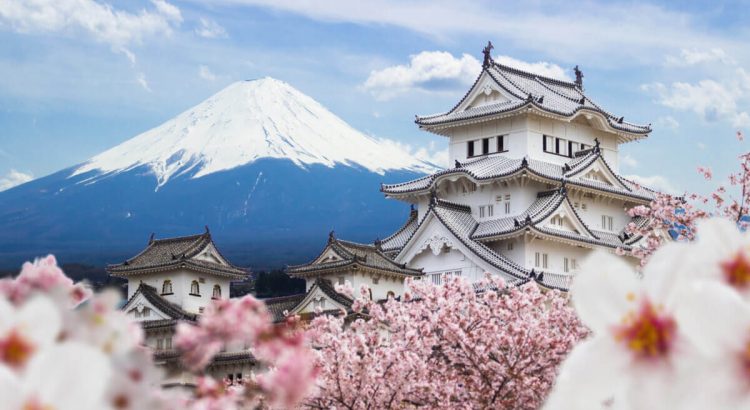
  • Views of Mount Fuji

Perfect for travelers who enjoy big cities, nightlife, shopping, and cultural sites.


2. Kansai — History, Temples, and Cultural Heritage

Kansai is considered Japan’s cultural heart.

Kyoto

Famous for its temples, gardens, and traditions.

  • Fushimi Inari Shrine
  • Kinkaku-ji (Golden Pavilion)
  • Gion and geisha culture

Osaka

Modern, fun, and known for great food.

  • Dotonbori
  • Osaka Castle
  • Universal Studios Japan

Nara

A peaceful city filled with history.

  • Todaiji Temple
  • Deer Park

This region is perfect for culture lovers and food enthusiasts.


3. Hokkaido — Snow, Nature, and Outdoor Adventures

Japan’s northernmost island is famous for its winter landscapes and outdoor activities.

Highlights:

  • Sapporo Snow Festival
  • Niseko (world-class ski resort)
  • Lakes, mountains, and national parks
  • Fresh seafood and dairy products

Ideal for travelers who enjoy skiing, hiking, and cold-weather destinations.


4. Tohoku — Mountains, Onsen, and Rural Japan

A less-visited region with amazing scenery and warm hospitality.

Must-see places:

  • Sendai
  • Lake Towada
  • Ginzan Onsen (picturesque hot-spring town)
  • Samurais of Aizu

Perfect for those seeking peaceful landscapes and authenticity.


5. Chubu — Mount Fuji and Japan’s Scenic Heart

This central region offers some of Japan’s most iconic views.

Nagano

  • Snow monkeys in Jigokudani
  • Ski resorts

Shizuoka & Yamanashi

  • Best views of Mount Fuji
  • Fuji Five Lakes

Aichi (Nagoya)

  • Castles and technology museums

Chubu combines mountains, nature, and modern cities.


6. Chugoku — History and Coastal Landscapes

Located in western Honshu, this region blends beauty and historical importance.

Hiroshima

  • Peace Memorial Park
  • Miyajima Island

Okayama

  • Korakuen Garden

Tottori

  • Tottori Sand Dunes

Great for travelers interested in history and scenic views.


7. Shikoku — Pilgrimages and Natural Beauty

Known for its peaceful countryside and religious routes.

Highlights:

  • 88-temple pilgrimage route
  • Naruto whirlpools
  • Traditional villages
  • Beautiful coastlines

Perfect for slow-paced travel.


8. Kyushu — Volcanoes, Beaches, and Hot Springs

Kyushu is warm, tropical in some areas, and full of natural wonders.

Top spots:

Fukuoka

A lively city with amazing food.

Beppu

One of Japan’s top hot-spring cities.

Kagoshima

  • Sakurajima volcano

Okinawa (Southern Islands)

Technically separate, but often grouped with the region due to climate.

  • Beaches with turquoise water
  • Unique culture and cuisine
  • Perfect for summer vacations

Climate in Japan: What to Expect

Japan has four distinct seasons, but climate varies by region.

Spring (March–June)

  • Mild weather
  • Cherry blossoms (sakura)

Summer (June–September)

  • Hot and humid
  • Ideal for beaches (Okinawa)
  • Many festivals (matsuri)

Autumn (September–December)

  • Comfortable temperatures
  • Beautiful red and golden foliage

Winter (December–March)

  • Cold, especially in the north
  • Best for skiing and snowboarding
  • Illuminations and winter festivals

Best Time to Visit Japan

Best Overall Months

March–May (spring)
September–November (autumn)

These seasons offer mild weather and beautiful scenery.

For Cherry Blossoms

Late March to early April
(Varies by region)

For Snow and Skiing

December to February
(Hokkaido and Nagano)

For Beaches and Islands

June to September
(Okinawa and southern Japan)

For Cheaper Prices and Fewer Crowds

January, February, and early December


Why Japan Captivates Travelers

✔ Perfect balance between ancient culture and futuristic cities
✔ Safe, organized, and clean
✔ World-famous cuisine: sushi, ramen, tempura, matcha
✔ Unique festivals, temples, and traditions
✔ Stunning natural landscapes
✔ Efficient public transportation
✔ Experiences for every type of traveler

Japan is a destination that inspires curiosity, admiration, and awe.


Conclusion

Japan is a country that offers endless possibilities—from technologically advanced cities like Tokyo and Osaka to the calm beauty of Kyoto’s temples and the majestic nature of Hokkaido and Okinawa. With its rich culture, diverse regions, four distinct seasons, and unforgettable attractions, Japan provides experiences that stay with travelers forever.

Whether you’re exploring historical landmarks, hiking mountains, tasting world-class cuisine, or relaxing in hot springs, Japan promises a journey that is magical, enriching, and truly unique.

Canada

Canada is one of the world’s most breathtaking and diverse countries, offering everything from cosmopolitan cities to untouched wilderness. Known for its safety, high quality of life, multicultural identity, and extraordinary landscapes, Canada is a dream destination for travelers who enjoy nature, culture, and unique experiences. With ten provinces and three territories, each region offers something special—making the country perfect for long trips or multiple visits.


Canada’s Regions and What Makes Each One Special

Ontario

Ontario is home to Toronto, Canada’s largest city, known for its skyscrapers, diverse food scene, and famous attractions like the CN Tower and Royal Ontario Museum. The province also includes Ottawa, the nation’s capital, where visitors can enjoy Parliament Hill, national museums, and cultural festivals. Just a short drive away, the Niagara Falls offer one of the world’s most iconic natural wonders.

British Columbia

Located on the west coast, British Columbia blends mountains, ocean views, and modern cities. Vancouver is a must-visit city for outdoor lovers, offering beaches, parks, and nearby ski resorts. Further north, Whistler attracts winter sports enthusiasts, while Vancouver Island offers charming towns and whale-watching opportunities.

Quebec

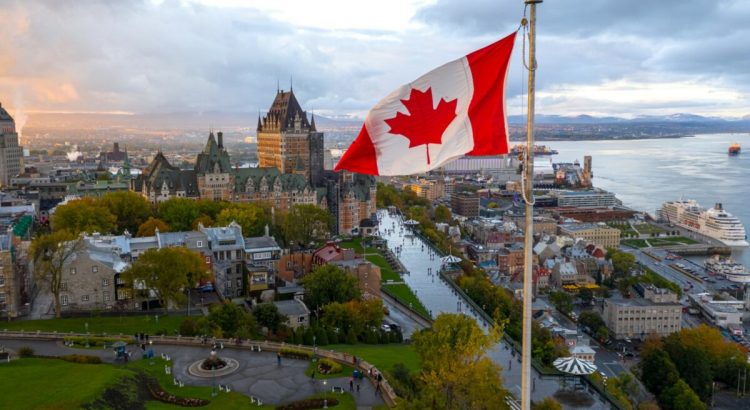
Quebec stands out for its strong French heritage, historic architecture, and charming atmosphere. Montreal is known for its festivals, nightlife, and multicultural neighborhoods, while Quebec City looks like a European village with its cobblestone streets and the famous Château Frontenac. This province is perfect for travelers who love culture, food, and history.

Alberta

Alberta is a paradise for nature lovers. The province is home to the spectacular Banff and Jasper National Parks, with turquoise lakes, glaciers, and dense forests. The cities of Calgary and Edmonton offer western culture, festivals, and museums. Alberta is ideal for those seeking adventure and breathtaking scenery.

Manitoba & Saskatchewan

These central provinces offer vast prairies, Indigenous culture, wildlife, and peaceful outdoor experiences. Manitoba’s Churchill is famous for polar bear and Northern Lights sightings. Saskatchewan stands out for hiking, quiet lakes, and friendly towns.

Atlantic Provinces (Nova Scotia, New Brunswick, Prince Edward Island, Newfoundland & Labrador)

This region is known for its dramatic coastlines, colorful fishing villages, and fresh seafood. Travelers can explore the Cabot Trail in Nova Scotia, enjoy red-sand beaches in Prince Edward Island, or visit historic Viking sites in Newfoundland.

Northern Territories (Yukon, Northwest Territories, Nunavut)

For those seeking remote and unforgettable experiences, the North offers Arctic landscapes, Inuit culture, dog-sledding adventures, and some of the world’s best views of the Aurora Borealis.


What Makes Canada Worth Visiting

Natural Beauty

Canada is one of the most scenic countries in the world. Visitors can explore:

  • Snow-capped mountains
  • Glacial lakes
  • National parks
  • Arctic tundras
  • Coastal cliffs
  • Virgin forests

Whether you love hiking, wildlife, or photography, you will find unforgettable landscapes.

Vibrant Cities

Canadian cities are modern, safe, clean, and rich in culture. Toronto, Vancouver, Montreal, Calgary, and Ottawa offer world-class attractions, sports, shopping, and diverse cuisine.

Multicultural Identity

Canada embraces multiculturalism, and this is reflected in its food, festivals, and communities. Travelers can enjoy flavors from around the world while experiencing local traditions.

Outdoor Activities Year-Round

Canada offers activities in every season:

  • Skiing and snowboarding in winter
  • Hiking and kayaking in summer
  • Whale-watching in spring
  • Fall foliage trips in autumn

It’s an excellent destination for adventure travelers and nature lovers.


Climate in Canada

Canada is known for its cold winters, but the climate varies greatly across regions.

Winter (December to March)

Expect freezing temperatures, snow, and ice—especially in central and northern regions. Best for winter sports enthusiasts.

Spring (April to June)

Mild temperatures, blooming landscapes, and fewer tourists. A great time to explore cities and national parks.

Summer (July to August)

Warm and sunny across most provinces. Perfect for outdoor adventures, beach days, festivals, and road trips.

Autumn (September to November)

Cooler weather and spectacular fall foliage, especially in Ontario, Quebec, and the Maritime provinces.


Best Time to Visit Canada

The ideal time depends on the type of experience you want:

For warm weather and outdoor activities:

June to September

For skiing and winter sports:

December to March

For fall colors:

Late September to mid-October

For wildlife & Northern Lights:

February to April (Yukon & Northwest Territories)
October to November (polar bears in Churchill)


Final Thoughts

Canada is a vast and unforgettable destination that offers a little bit of everything—modern cities, wild landscapes, cultural diversity, and year-round adventures. Whether you’re exploring historic sites in Quebec, hiking in the Rockies, discovering coastal villages in the Atlantic provinces, or searching for the Northern Lights in the Arctic, Canada guarantees an extraordinary travel experience.

Colombia

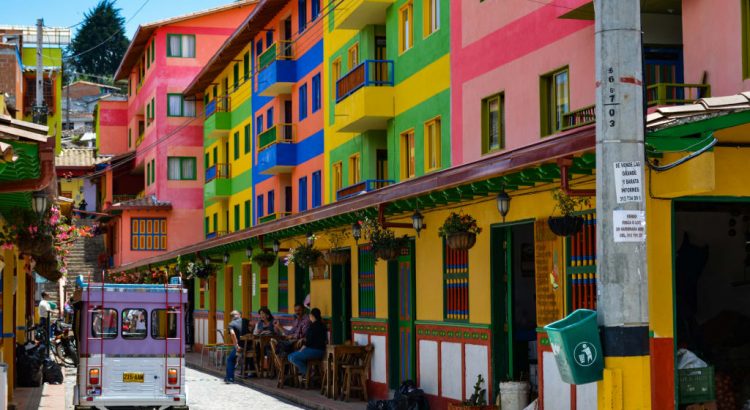
Colombia is one of the most captivating destinations in South America. Known for its cultural richness, breathtaking landscapes, warm people, and growing tourism infrastructure, the country has become a favorite among travelers seeking adventure, history, beaches, food, and unforgettable experiences. From colorful colonial towns to tropical Caribbean islands and lush coffee plantations, Colombia offers a perfect mix of culture and nature.

In this complete guide, prepared for QuickT-ravelBooking, you will discover the main regions of Colombia, what each has to offer, how the climate works across the country, and the best times to visit.


Why Colombia Is a Must-Visit Destination

Colombia stands out for its impressive diversity. Within a single trip, you can explore mountains, beaches, deserts, jungles, vibrant cities, and peaceful small towns. It is one of the few countries in the world with coastlines on both the Pacific Ocean and the Caribbean Sea, giving travelers a wide range of natural experiences.

The country is also known for its welcoming locals, flavorful cuisine, energetic music, affordable prices, and strong cultural identity rooted in Indigenous, African, and Spanish traditions.


Main Regions of Colombia and What They Offer

Colombia is divided into 32 departments (similar to states), each with unique landscapes and personality. Below are the most popular regions for travelers.


Bogotá and the Andean Region – Culture, History & Urban Life

Bogotá, the capital, is located high in the Andes and is a cosmopolitan city full of cultural treasures.

Highlights:

  • The famous Gold Museum
  • Monserrate Hill with panoramic views
  • La Candelaria historic district
  • Art, nightlife, and local markets
  • Top restaurants and coffee shops

Nearby departments such as Cundinamarca and Boyacá offer charming colonial towns, lakes, mountains, and important religious and historical sites.


Medellín and Antioquia – Innovation, Green Mountains & Spring Weather

Medellín is known as the “City of Eternal Spring” thanks to its mild weather all year long. It has transformed into one of the most modern and innovative cities in Latin America.

What to enjoy:

  • The Medellín Metrocable with views over the valley
  • El Poblado and Laureles neighborhoods
  • Guatapé and the Piedra del Peñol
  • Gardens, museums, and cultural parks

The surrounding region of Antioquia offers coffee farms, traditional towns, and beautiful mountain landscapes.


Cartagena and the Caribbean Coast – Beaches, Culture & Romance

The Caribbean region is one of the most beloved parts of Colombia. Cartagena, with its walled city and colonial charm, is a UNESCO World Heritage Site.

Top attractions:

  • Old Town walls and streets
  • Rosario Islands and turquoise beaches
  • San Andrés and Providencia islands
  • Palenque culture and history

Departments like Bolívar, Atlántico, and La Guajira combine beaches, desert landscapes, Indigenous culture, and vibrant festivals like Barranquilla’s Carnival.


Coffee Triangle – Nature, Coffee Culture & Scenic Valleys

The Coffee Region—made up of Caldas, Risaralda, and Quindío—is a UNESCO World Heritage site and one of the most beautiful rural areas in Colombia.

Don’t miss:

  • Coffee farm tours
  • Valle de Cocora and its giant wax palms
  • Armenia, Manizales, and Pereira
  • Thermal springs and outdoor activities

It’s the perfect region for travelers seeking tranquility, nature, and authentic Colombian culture.


Cali and the Pacific Region – Salsa, Wildlife & Afro-Colombian Culture

Cali, known as the world capital of salsa, is vibrant, musical, and culturally rich. The Pacific coast, especially in Chocó, offers one of the most biodiverse regions on Earth.

Highlights:

  • Salsa dancing and nightlife
  • Whale watching between July and October
  • Lush rainforests and pristine beaches

This is a region full of natural wonders and traditional Afro-Colombian communities.


Amazon Region – Adventure & Wildlife

The Colombian Amazon, mainly in the department of Amazonas, is ideal for travelers seeking adventure and direct contact with nature.

Experiences include:

  • Jungle trekking
  • Indigenous community visits
  • River exploration and wildlife spotting

Leticia, the gateway to the Amazon, sits at the triple border of Colombia, Brazil, and Peru.


Climate in Colombia: What to Expect

Colombia’s climate varies due to geography rather than seasons. Because the country is near the equator, temperatures depend mostly on altitude.

Here’s a summary:

Coastal and Lowland Regions (Caribbean & Pacific)

  • Climate: Hot and humid
  • Average temperatures: 27°C to 32°C (80°F to 90°F)

Andean Region (Bogotá, Medellín, Coffee Region)

  • Bogotá: Cool and mild (9°C to 18°C / 48°F to 64°F)
  • Medellín: Spring-like all year (17°C to 28°C / 62°F to 82°F)

Amazon Region

  • Climate: Hot, humid, rainy
  • Heavy rainfall year-round

Desert Areas (La Guajira)

  • Climate: Hot and dry
  • Temperatures: Around 30°C to 38°C (86°F to 100°F)

Best Time to Visit Colombia

Colombia can be visited year-round, but depending on your plans, some months are more ideal.

Best months overall: December to March

These are the driest months, perfect for beaches, cities, and nature.

Best months for the Caribbean (Cartagena, San Andrés):

December to April

Best months for Bogotá and the Andean region:

June to August and December to February (less rain)

Best months for the Amazon:

July to October (relatively drier)

Best time for whale watching on the Pacific Coast:

July to October

Best time for festivals:

  • Carnival of Barranquilla: February
  • Flower Festival in Medellín: August
  • Black and White Festival: January

Why Colombia Stands Out

Colombia is unforgettable because it offers:

✔ Warm, welcoming people
✔ Affordable travel experiences
✔ Delicious cuisine (arepas, bandeja paisa, exotic fruits)
✔ Beaches, mountains, jungles, and deserts
✔ Cities full of culture and innovation
✔ One of the most diverse ecosystems on the planet

It’s a destination that combines adventure, culture, romance, history, and relaxation all in one place.


Conclusion

Colombia is a destination that surprises and delights. Whether you want Caribbean beaches, Andean cities, coffee plantations, rainforest adventures, or colonial history, this vibrant country always delivers. With its diverse landscapes, rich cultural traditions, friendly atmosphere, and year-round travel possibilities, Colombia is one of the most exciting destinations in South America.

No matter what type of traveler you are, Colombia promises an unforgettable experience filled with color, flavor, rhythm, and nature.

Portugal

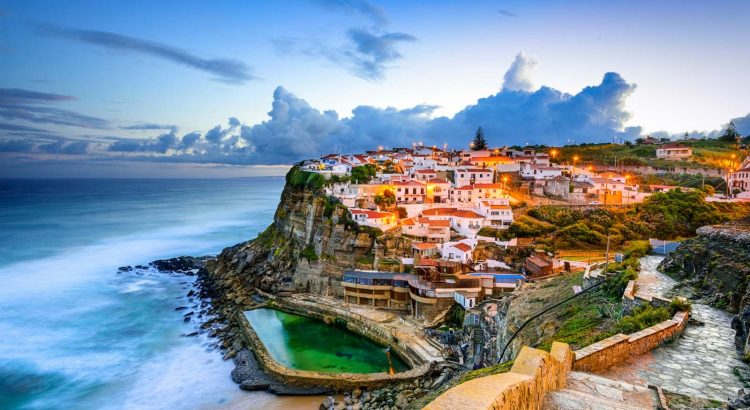
Portugal is one of the most enchanting countries in Europe, offering a perfect blend of historic charm, golden beaches, vibrant cities, exceptional cuisine, and warm hospitality. Whether you prefer exploring centuries-old castles, sipping wine in picturesque valleys, or relaxing by the Atlantic Ocean, Portugal delivers unforgettable experiences for every traveler.

With diverse regions, mild weather, and a rich cultural heritage, it is no surprise that Portugal has become a top destination for visitors from around the world.


Regions and Main Destinations in Portugal

Portugal is divided into several regions—each with its own identity, landscapes, and unique attractions.

1. Lisbon Region (Lisboa)

The capital, Lisbon, is a lively city built across seven hills. It charms visitors with:

  • The historic neighborhoods of Alfama and Bairro Alto
  • Belém Tower and Jerónimos Monastery
  • Famous trams and viewpoints
  • Lively nightlife and Fado music

Nearby, Cascais and Estoril offer stunning beaches and a sophisticated seaside atmosphere.

2. Porto and the North

The northern region combines tradition and scenic views. Porto, known for its wine caves and colorful riverfront district (Ribeira), is a highlight. Other attractions include:

  • Douro Valley vineyards
  • Guimarães, the cradle of Portugal
  • Braga’s historic churches

This region is ideal for wine lovers and travelers seeking authentic Portuguese culture.

3. Algarve

Portugal’s southern region is famous for its warm climate and award-winning beaches. The Algarve impresses with:

  • Golden cliffs and turquoise waters
  • Resorts in Lagos, Albufeira, and Vilamoura
  • Great golfing, boat tours, and water activities

It is the best area for beach lovers, surf enthusiasts, and travelers who enjoy sunny holidays.

4. Alentejo

Known for its calm countryside, Alentejo features:

  • Rolling plains and vineyards
  • Medieval towns like Évora
  • Quiet beaches on the southwest coast

Perfect for slow travel, wine tasting, and historical exploration.

5. Central Portugal

This region mixes culture, mountains, and coastal towns. Highlights include:

  • Coimbra and its ancient university
  • Aveiro, known as the “Portuguese Venice”
  • Serra da Estrela, the highest mountain in mainland Portugal

It’s an excellent destination for nature lovers and those interested in local traditions.

6. Madeira and the Azores

Portugal also includes two stunning island archipelagos:

Madeira

  • Lush gardens
  • Mountain trails
  • Natural pools in Porto Moniz
  • A warm climate year-round

Azores

  • Volcanoes, lakes, and hot springs
  • Whale watching
  • Dramatic landscapes perfect for hiking

These islands offer some of the most breathtaking natural scenery in Europe.


What Portugal Has to Offer

Portugal is rich in experiences that attract different types of travelers. Here are some of the best things to enjoy:

1. Beaches and Coastline

From the Algarve’s dramatic cliffs to the wild beaches of Alentejo and the surf hotspots around Ericeira and Peniche, the coastline is one of the country’s biggest highlights.

2. History and Architecture

Portugal is filled with iconic landmarks:

  • Castelo de São Jorge
  • Sintra’s Pena Palace
  • Tomar’s Convent of Christ
  • Porto’s Dom Luís I Bridge

Walking through Portugal often feels like stepping into a living museum.

3. Gastronomy

Portuguese cuisine is delicious and diverse:

  • Pastéis de nata
  • Bacalhau dishes
  • Grilled sardines
  • Piri-piri chicken
  • Port wine and Vinho Verde

Food lovers will be delighted with traditional flavors and regional specialties.

4. Culture and Traditions

Portugal’s cultural richness shines in:

  • Fado music
  • Folk festivals
  • Handicrafts such as ceramics and embroidery

Locals are warm, friendly, and proud to share their traditions.

5. Nature and Outdoor Activities

Travelers can enjoy:

  • Whale watching in the Azores
  • Hiking in Madeira
  • Surfing on the Atlantic coast
  • Kayaking along the Douro
  • Exploring mountain villages

It’s a paradise for adventure seekers and nature enthusiasts.


Weather in Portugal

Portugal has a mild Mediterranean climate influenced by the Atlantic Ocean.

Spring (March to May)

Temperatures range between 15°C and 22°C. Flowers bloom, and cities are lively but not too crowded.

Summer (June to August)

Hot and sunny, especially in the Algarve and the interior. Coastal cities stay pleasant with temperatures around 25°C to 30°C.

Autumn (September to November)

Still warm in September and October. Great weather for sightseeing and wine harvest events in the Douro.

Winter (December to February)

Mild winters, around 10°C to 15°C in Lisbon and the Algarve. Cooler in the north and mountain regions.


Best Time to Visit Portugal

The best time to visit depends on what you want to do:

For Sightseeing:

April to June and September to October
These months offer pleasant temperatures and fewer crowds.

For Beaches:

June to September
Perfect for enjoying the Algarve and the Atlantic coast.

For Wine Tourism:

September and October
Harvest season in the Douro Valley is a unique cultural experience.

For Budget Travel:

November to March
Prices drop, and cities remain enjoyable despite the cooler weather.


Final Thoughts

Portugal is a destination that combines tradition, natural beauty, and modern attractions in a way that few countries can. From historic neighborhoods and sunny beaches to world-class cuisine and stunning islands, it offers unforgettable experiences for every type of traveler.

Whether you are exploring Lisbon’s viewpoints, sailing through the Algarve, or discovering the volcanic landscapes of the Azores, Portugal is a country that always inspires travelers to return.

Morocco

Morocco is one of the most fascinating destinations in North Africa. A land of ancient traditions, warm hospitality, rich flavors, golden deserts, and lively cities, Morocco offers a unique blend of African, Arab, and European influences. Its landscapes range from colorful medinas and bustling souks to snowy mountains and vast dunes, making it an unforgettable place for every type of traveler.

In this travel guide prepared for QuickT-ravelBooking, discover everything you need to know about Morocco: its main regions, top attractions, climate, and the best times to plan your trip.


Why Morocco Is a Must-Visit Destination

Morocco’s charm lies in its authenticity. While the country has modern cities and luxurious resorts, it still preserves its historic soul—seen in its traditional architecture, ancient Kasbahs, desert camps, and artisan markets. Travelers fall in love with its flavors, colors, and contrasts.

Morocco is also close to Europe and well-connected to major airports, making it convenient and relatively affordable to visit. Whether you want beaches, cultural immersion, desert adventures, or relaxing mountain retreats, Morocco offers it all.


Main Regions of Morocco and What They Offer

Morocco is divided into 12 administrative regions, each with distinct landscapes, culture, and experiences. Here are the most important ones for tourism:


Marrakech–Safi – Culture, Cuisine & Historic Charm

Marrakech is the most famous city in Morocco, known for its vibrant medina and lively atmosphere.

Top attractions:

  • Jemaa el-Fnaa square
  • Majorelle Garden & Yves Saint Laurent Museum
  • Bahia Palace and Saadian Tombs
  • Traditional souks and rooftop restaurants

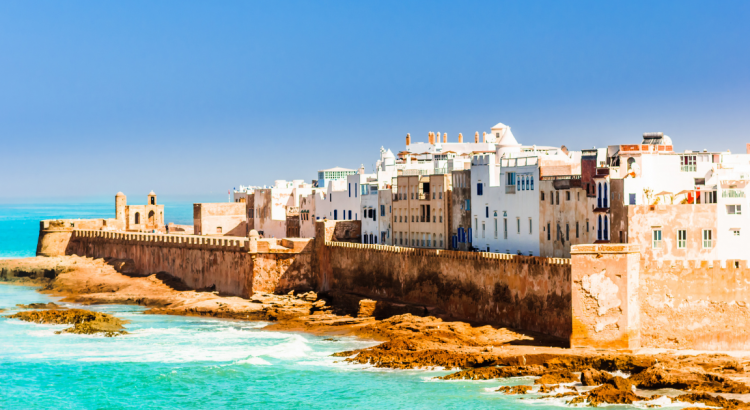
The region also includes Essaouira, a coastal town loved for its relaxed vibe, beaches, seafood, and water sports.


Fès–Meknès – Tradition, History & Spirituality

Fès is considered Morocco’s cultural and spiritual capital, home to one of the oldest universities in the world.

Highlights:

  • Fès el-Bali, a UNESCO World Heritage medina
  • Al-Qarawiyyin University
  • Handicraft workshops and leather tanneries
  • Historic mosques and city gates

Nearby Meknès offers imperial architecture and beautiful countryside.


Rabat–Salé–Kénitra – The Capital & Coastal Beauty

Rabat, Morocco’s capital city, is elegant, clean, and full of history.

What to see:

  • Hassan Tower
  • Chellah archaeological site
  • Oudaya Kasbah
  • Beautiful Atlantic beaches

It’s a quieter and more modern region, ideal for travelers who enjoy a calmer environment.


Casablanca–Settat – Business, Culture & Modern Morocco

Casablanca is Morocco’s largest city and economic center. It blends tradition with modern life.

Highlights:

  • Hassan II Mosque (one of the largest in the world)
  • Art Deco architecture
  • Atlantic coast and Corniche area

It’s a practical base for business and leisure travelers.


Tangier–Tetouan–Al Hoceima – Mediterranean Views & Multicultural History

This northern region offers a blend of Moroccan, Spanish, and European influences.

Attractions:

  • Tangier’s historic medina and port
  • Chefchaouen, the famous Blue City
  • Rif Mountains
  • Mediterranean beaches

Chefchaouen is one of Morocco’s most photographed destinations, known for its blue-painted streets.


Draa–Tafilalet – Desert Adventures & Kasbah Routes

This region is home to Morocco’s iconic Sahara desert experiences.

Must-see highlights:

  • Merzouga and the Erg Chebbi dunes
  • Camel treks at sunset
  • Desert camps under starry skies
  • Ancient kasbahs and oases

It’s the perfect region for adventure lovers and photographers.


Souss–Massa – Beaches, Nature & Relaxation

Located in the south, this region features beautiful beaches and national parks.

Top spots:

  • Agadir, a sunny beach city
  • Souss-Massa National Park
  • Atlantic coastal towns and surf hotspots

It’s a great choice for families and beach lovers.


Climate in Morocco: What to Expect

Morocco has diverse climates due to its geography, from oceanic influences to desert heat and mountain cold. Here’s a simplified overview:

Coastal Areas (Casablanca, Rabat, Essaouira)

  • Mild temperatures year-round
  • Cool winters (12°C–18°C / 54°F–65°F)
  • Warm summers (22°C–28°C / 72°F–82°F)

Interior and Desert Regions (Marrakech, Fès, Sahara)

  • Hot summers (35°C–42°C / 95°F–108°F)
  • Cool to cold winters (8°C–15°C / 46°F–59°F)

Atlas Mountains

  • Cold winters with snow
  • Mild summers perfect for trekking

Because of the temperature contrasts, packing layers is always a good idea.


Best Time to Visit Morocco

The best time to visit Morocco depends on the type of experience you want.

Best overall months: March to June & September to November

These are the most pleasant months, with mild temperatures and clear skies.

Time for desert trips (Sahara)

  • March to May
  • September to November
    Avoid peak summer due to extreme heat.

Best time for beaches (Agadir, Essaouira, Mediterranean coast)

  • June to September
    Warm, sunny, and ideal for swimming.

Time for visiting cities (Marrakech, Fès, Rabat)

  • October to April
    Temperatures are comfortable for walking and sightseeing.

Best time for snow and mountain lovers

  • December to February
    Great for exploring the Atlas Mountains.

What Makes Morocco So Special?

Morocco continues to captivate travelers because it offers:

✔ A unique mix of Arab, Berber, African & European influences
✔ Colorful markets, arts, and ancient traditions
✔ Breathtaking desert landscapes
✔ Beautiful beaches and coastal cities
✔ Stunning mountain ranges
✔ Flavorsome cuisine (couscous, tagine, mint tea)
✔ Warm hospitality and rich cultural heritage

It’s a destination where every city, region, and experience feels different and full of character.


Conclusion

Morocco is a country that surprises at every turn—whether you’re wandering through the narrow alleys of Marrakech, relaxing on the beaches of Agadir, trekking the Atlas Mountains, or spending a magical night in the Sahara Desert. With its diverse regions, pleasant climate, deep culture, and warm people, Morocco is one of the most remarkable destinations in the world.

Whether you’re seeking adventure, culture, romance, or relaxation, Morocco has the perfect experience waiting for you.

England

England is one of the world’s most iconic travel destinations. Known for its rich history, multicultural cities, charming countryside, legendary landmarks, and refined traditions, the country welcomes millions of visitors every year. Whether you love culture, nature, food, nightlife, or history, England offers a wide variety of experiences for every type of traveler.

In this complete guide prepared for QuickT-ravelBooking, discover everything you need to know about England its regions, top attractions, climate, and the best times to visit.


Why England Is an Unmissable Destination

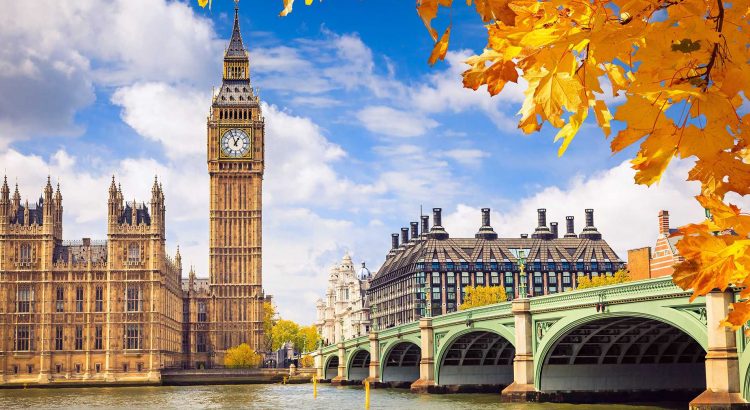
England blends tradition and modernity in a way few countries can. It is home to globally known attractions like the Big Ben, Tower Bridge, Stonehenge, and the British Museum, while also offering contemporary art, innovative gastronomy, vibrant nightlife, and spectacular natural landscapes.

Moreover, England has excellent public transportation, high safety standards, and diverse experiences — from cosmopolitan cities to peaceful rural areas. It is a destination that suits families, couples, solo travelers, and adventure seekers.


Main Regions of England and What They Offer

England is divided into several regions, each with its own character, cultural identity, and attractions. Below are the most important for tourism:


1. London & the South East — Modern Vibes and Iconic Landmarks

London, England’s capital and cultural heart, is located in the South East region. This is the busiest and most cosmopolitan area of the country.

Highlights:

  • Big Ben and the Houses of Parliament
  • London Eye
  • Tower of London
  • Buckingham Palace
  • British Museum
  • Covent Garden, Soho and Camden Town

The region also offers coastal towns like Brighton, known for its bohemian atmosphere and pebble beaches.

Perfect for travelers who love culture, history, shopping, and urban experiences.


2. South West England — Beaches, Castles, and Countryside

The South West is famous for its coastal views, dramatic cliffs, and medieval sites.

Top attractions:

  • Stonehenge
  • Bath and its Roman thermal baths
  • Cornwall’s beaches
  • The Jurassic Coast (UNESCO World Heritage Site)

Great for those seeking picturesque landscapes, history, and outdoor activities.


3. Midlands — Industrial Heritage and Natural Beauty

Located in the center of the country, the Midlands offer a mix of historical sites, countryside views, and lively cities.

What to visit:

  • Birmingham
  • Nottingham (land of Robin Hood)
  • The Peak District National Park
  • Stratford-upon-Avon, birthplace of Shakespeare

Ideal for travelers interested in literature, hiking, and British cultural heritage.


4. Northern England — Culture, Music, and Stunning Scenery

Northern England is home to charming cities, rugged landscapes, and rich cultural traditions.

Highlights:

  • Manchester (music, football, nightlife)
  • Liverpool (The Beatles, maritime history)
  • Lake District National Park
  • York and its medieval architecture

Perfect for those who want to explore nature, iconic music history, and unique small towns.


5. East of England — Coastlines and Historical Architecture

This region is known for its tranquil beaches, cathedrals, and peaceful countryside.

Top destinations:

  • Cambridge and its prestigious university
  • Norfolk’s beaches
  • Colchester, the oldest recorded town in England

A great option for travelers seeking relaxation, scenic routes, and cultural experiences.


6. North East England — Castles and Scenic Landscapes

A quieter region, but full of charm and heritage.

Must-see:

  • Newcastle upon Tyne
  • Durham Cathedral
  • Alnwick Castle (famous for Harry Potter scenes)
  • Northumberland’s wild coastal areas

Fantastic for travelers interested in castles, history, and nature.


Climate in England: What to Expect Throughout the Year

England has a temperate oceanic climate, influenced by the Atlantic. Weather can change quickly, so it’s common to experience sun, clouds, and rain on the same day.


Spring (March to June)

Mild temperatures and blooming nature. Great for cities and countryside.

Summer (June to September)

Warmest period, long days, ideal for outdoor activities — but also high season.

Autumn (September to December)

Cool weather and colorful landscapes. Perfect for cultural trips and photography.

Winter (December to March)

Cold temperatures, especially in the north. Good for Christmas markets and indoor attractions.


Best Time to Visit England

The ideal time to visit depends on your travel style:

For city trips (London, Manchester, Liverpool):

April to June and September to October — pleasant temperatures and fewer crowds.

For countryside and beaches (Cornwall, Jurassic Coast):

June to September — warm and sunny days.

For lower prices and fewer tourists:

October to March — except during Christmas and New Year holidays.

For cultural events and festivals:

  • May: Chelsea Flower Show
  • August: Notting Hill Carnival
  • December: Christmas markets and winter lights

Overall, May, June, September, and October are considered the best months to explore England with mild weather and moderate prices.


What Makes England So Special?

✔ A blend of history, tradition, and modernity
✔ World-famous museums, parks, and landmarks
✔ Castles, countryside landscapes, and coastal beauty
✔ Rich music, literature, and cultural heritage
✔ Safe, accessible, and easy to explore
✔ Perfect for all types of travelers

England is a destination that inspires, surprises, and delights — no matter how many times you visit.


Conclusion

England is a versatile and unforgettable travel destination. Whether you want to explore the lively streets of London, relax in the countryside, tour medieval cities, discover literary heritage, or enjoy coastal views, England offers experiences that stay with you forever.

With diverse regions, a unique culture, mild climate, and attractions for every traveler, England stands out as one of the most complete and charming destinations in Europe.

Greece

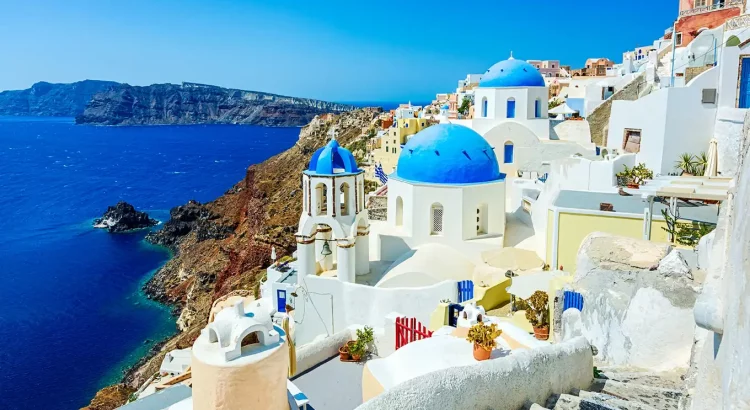
Greece is one of the most enchanting destinations in the world. Known for its ancient history, breathtaking islands, crystal-clear seas, and warm Mediterranean culture, the country attracts millions of travelers every year. From the mythical temples of Athens to the postcard-perfect landscapes of Santorini, Greece offers experiences that captivate all types of travelers.

In this complete guide prepared for QuickT-ravelBooking, you will discover the best of Greece — its regions, attractions, climate, and the ideal times to plan your visit.


Why Greece Is a Dream Destination

Greece is a country where the ancient and the modern blend harmoniously. As the cradle of Western civilization, it is home to iconic landmarks such as:

  • The Acropolis
  • Temple of Olympian Zeus
  • Delphi’s archaeological site
  • Knossos Palace in Crete

Beyond its historical richness, Greece also stands out for its incredible natural beauty. Turquoise seas, dramatic cliffs, volcanic islands, and golden beaches make the country a paradise for nature lovers. The food scene is another highlight: fresh seafood, olive oil, cheeses, local wines, and traditional dishes like moussaka, souvlaki, tzatziki, and baklava ensure unforgettable culinary experiences.


Main Regions of Greece and What They Offer

Greece is divided into several administrative regions, each with unique landscapes, traditions, and attractions. Here are the most important ones for travelers:


1. Attica — The Historic Heart of Greece

Attica is home to Athens, the country’s capital and cultural center. It is the most visited region and the gateway for most travelers.

Highlights:

  • Acropolis and Parthenon
  • Plaka District
  • National Archaeological Museum
  • Syntagma Square
  • Coastal beaches of Athens Riviera

Perfect for history lovers, food explorers, and anyone who wants to feel the pulse of Greek culture.


2. Central Macedonia — Vibrant Cities and Ancient Ruins

The region’s main city, Thessaloniki, is known for its lively atmosphere, excellent food, and Byzantine heritage.

Must-visit attractions:

  • White Tower
  • Rotunda
  • Archaeological Museum of Thessaloniki
  • Halkidiki Peninsula (beaches and resorts)

Ideal for travelers looking for nightlife, culture, and beautiful beaches.


3. Crete — Mythology, Mountains, and Mediterranean Beauty

Crete is the largest Greek island and a destination on its own. It combines beaches, mountains, and archaeological treasures.

Top attractions:

  • Palace of Knossos
  • Balos Beach
  • Elafonisi Pink Beach
  • Samaria Gorge
  • Chania Old Town

Crete is perfect for families, adventurers, and travelers looking for diverse landscapes.


4. Cyclades — The Famous Greek Islands

This island group includes some of the most iconic destinations in Greece.

Highlights include:

  • Santorini: sunsets, white houses, volcanic beaches
  • Mykonos: nightlife, luxury hotels, windmills
  • Naxos: long beaches, villages, authenticity
  • Paros: charming towns, relaxed atmosphere

Great for couples, groups of friends, and anyone seeking sea, sun, and stunning views.


5. Ionian Islands — Emerald Waters and Italian Influence

Located on the western coast of Greece, these islands are greener and culturally influenced by Venice.

Main islands to visit:

  • Corfu
  • Zakynthos (Navagio Beach)
  • Kefalonia
  • Lefkada

Expect dramatic scenery, lush nature, and some of the best beaches in Europe.


6. Peloponnese — Ancient Sites and Stunning Nature

This region is rich in history and archeological landmarks.

Must-see spots:

  • Olympia (birthplace of the Olympic Games)
  • Mycenae
  • Epidaurus Theater
  • Nafplio Town
  • Mani Peninsula

A great choice for road-trip lovers.


Climate in Greece: What to Expect

Greece has a Mediterranean climate, marked by mild winters and hot, dry summers. The weather varies depending on the region and elevation, especially between the islands and mainland.


Spring (March to June)

Mild temperatures and blooming landscapes make this one of the best seasons to visit. Perfect for sightseeing and outdoor activities.

Summer (June to September)

Hot, sunny, and lively — ideal for island hopping, beaches, and festivals. However, it is high season, so prices and crowds are at their peak.

Autumn (September to November)

Pleasant temperatures, warm seas, and fewer tourists. Excellent for cultural visits and coastal trips.

Winter (December to March)

Cold in the mountains and mild on the islands. A quiet season with lower prices. Better for cultural tourism than beach trips.


Best Time to Visit Greece

Your ideal travel period depends on the type of experience you want:

✔ For beaches and island hopping:

June to September, with July and August being the hottest and most crowded months.

✔ For lower prices and great weather:

May, June, September, and early October — the best balance of climate and cost.

✔ For history and cultural trips:

March to June and September to November are ideal.

✔ For avoiding crowds:

Choose May, early June, late September, or October.

✔ For skiing or mountain scenery:

December to March in northern regions like Macedonia and Epirus.


Why Greece Captivates So Many Travelers

✔ It blends ancient history with modern charm
✔ It offers some of the world’s most beautiful islands
✔ The food is fresh, diverse, and delicious
✔ The culture is warm, welcoming, and lively
✔ The landscapes range from beaches to mountains
✔ It fits all budgets and travel styles

Greece is not just a destination — it is an experience that stays with you forever.


Conclusion

Whether you want to explore ancient sites, relax on beaches, hop between islands, enjoy local gastronomy, or experience vibrant cities, Greece has something unforgettable to offer. With its diverse regions, rich culture, pleasant climate, and natural beauty, it remains one of the most magical destinations in the world.

A trip to Greece is the perfect combination of history, nature, and charm — a journey that inspires and enchants from start to finish.

Brazil

Brazil is one of the most captivating destinations in the world. Known for its diverse landscapes, rich culture, warm hospitality, iconic beaches, and energetic cities, the country offers experiences for every type of traveler. From the Amazon rainforest to the dunes of the Northeast, from the cosmopolitan vibe of São Paulo to the magic of Rio de Janeiro, Brazil is a destination that surprises at every turn.

In this complete guide, you’ll learn about Brazil’s main regions and states, top attractions, climate, and the best times to plan your visit.


Why Brazil Is an Unforgettable Destination

Brazil is the largest country in South America and one of the most diverse on the planet. It blends Indigenous roots, African heritage, European influences, tropical nature, and big-city sophistication. Travelers come for its beaches, waterfalls, wildlife, food, music, and vibrant festivals—but stay for the energy that only Brazil has.

Whether you want adventure, relaxation, culture, or nightlife, Brazil offers it all.


Main Regions of Brazil and What They Offer

Brazil is divided into five major regions, each with its own unique charm and landscapes.


1. Southeast — Culture, Big Cities, and Iconic Landscapes

The Southeast is the economic and cultural center of the country and home to famous destinations.

Highlights:

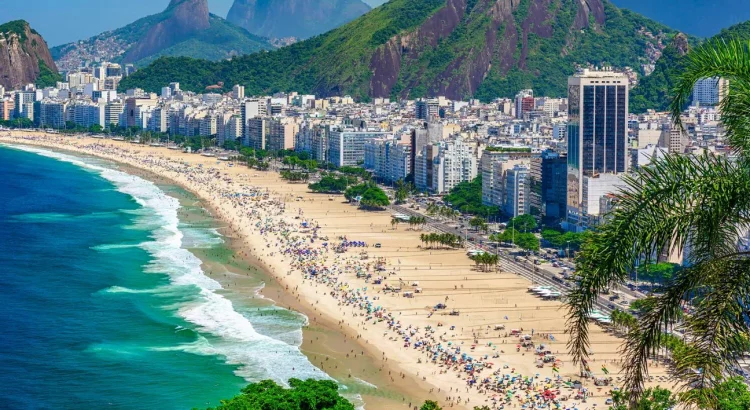
Rio de Janeiro

Known for its breathtaking scenery, Rio is one of the most iconic cities in the world.

  • Christ the Redeemer
  • Sugarloaf Mountain
  • Copacabana and Ipanema beaches
  • Lapa nightlife
  • Carnival

São Paulo

The largest city in South America and a paradise for food, culture, and business.

  • Museums, gastronomy, nightlife
  • Avenida Paulista
  • Street art and multicultural neighborhoods

Minas Gerais

Perfect for food lovers and history enthusiasts.

  • Colonial towns like Ouro Preto and Tiradentes
  • Traditional cuisine (cheese, pastries, stews)
  • Mountains and waterfalls

Espírito Santo

A quieter coastal state with beaches and mountains.

  • Guarapari beaches
  • Pedra Azul National Park

2. Northeast — Beaches, Culture, and Warm Weather Year-Round

The Northeast is famous for its stunning coastline, historic cities, and cultural richness.

Top destinations:

Bahia

A colorful and cultural hub with African influence.

  • Salvador Pelourinho
  • Chapada Diamantina National Park
  • Coastline with warm, clear water

Pernambuco

Where history meets paradise beaches.

  • Recife and Olinda (UNESCO)
  • Porto de Galinhas

Ceará

Beach lovers’ paradise.

  • Jericoacoara
  • Canoa Quebrada

Rio Grande do Norte

Known for sand dunes and crystal-clear waters.

  • Natal
  • Pipa Beach

Maranhão

Home to one of the most unique landscapes on Earth.

  • Lençóis Maranhenses National Park

3. South — Nature, European Charm, and Winter Experiences

The South of Brazil offers cooler temperatures, mountains, wine regions, and European-style cities.

Where to go:

Paraná

  • Iguaçu Falls (one of the Seven Natural Wonders)
  • Curitiba’s green parks

Santa Catarina

  • Florianópolis beaches
  • Oktoberfest in Blumenau

Rio Grande do Sul

  • Mountain towns like Gramado and Canela
  • Vineyards in Bento Gonçalves

4. North — Amazon Rainforest and Extraordinary Biodiversity

The North is home to the world’s largest tropical forest.

Major attractions:

Amazonas

  • Manaus
  • Amazon River tours
  • Jungle lodges and wildlife experiences

Pará

  • Belém
  • Ilha do Marajó
  • Amazonian cuisine

Amapá, Roraima, Rondônia, Acre

  • Untouched nature
  • Indigenous culture
  • Ecotourism opportunities

5. Central-West — Wetlands, Wildlife, and the Federal Capital

This region mixes natural wonders with modern architecture.

Key destinations:

Pantanal (Mato Grosso & Mato Grosso do Sul)

  • The world’s largest wetland
  • Jaguars, birds, alligators, and unique wildlife

Brasília (Federal District)

  • A UNESCO-designated modernist masterpiece
  • Planned city with futuristic architecture

Goiás

  • Chapada dos Veadeiros National Park
  • Hot springs in Caldas Novas

Brazilian Climate: What to Expect

Brazil’s climate is mostly tropical but varies by region.

North (Amazon)

  • Hot and humid year-round
  • Frequent rain

Northeast

  • Tropical and sunny almost all year
  • Warm waters and steady temperatures

Southeast

  • Summers hot and humid
  • Winters mild

South

  • Four distinct seasons
  • Cold winters (with occasional snow in mountains)

Central-West

  • Hot climate with a clear dry season (May–September)

Best Time to Visit Brazil

The ideal travel period depends on your interests, but here are the top recommendations:

Best Overall Months

May to October — pleasant temperatures and less rain.

For Beaches

December to March — warm weather and lively summer atmosphere.

For the Amazon

June to November — fewer mosquitoes and better wildlife viewing.

For Pantanal

July to September — peak wildlife season.

For Carnival

Dates vary each year (usually February), but book early.

For the Northeast

Great all year, especially September to March.


Why Brazil Captivates Travelers

✔ A huge variety of landscapes — rainforest, mountains, beaches, wetlands
✔ Warm and welcoming people
✔ Delicious, diverse cuisine
✔ Energetic music and cultural festivals
✔ Affordable compared to many international destinations
✔ Unique experiences from north to south

Brazil is a destination filled with emotion, beauty, flavor, and rhythm.


Conclusion

Brazil is a country that offers everything: beaches, forests, waterfalls, nightlife, history, culture, cuisine, and breathtaking natural wonders. Whether you want adventure in the Amazon, to relax by turquoise beaches in the Northeast, to explore big cities like São Paulo or Rio, or to immerse yourself in wildlife at the Pantanal, Brazil promises unforgettable memories.

With diverse climates, welcoming people, and endless attractions, this is the perfect destination for curious, adventurous, and culture-loving travelers.

France

France is one of the most visited countries in the world — and not by accident. Land of art, history, gastronomy, romance, and cinematic landscapes, the country offers endless experiences for every type of traveler. Whether in major cities, medieval villages, Mediterranean beaches, or the mountainous regions of the Alps, there is always something enchanting to discover.

In this guide created for QuickT-ravelBooking, you’ll find everything you need to know about France: its main regions, what to visit, how the climate works, and the best times to plan your trip.


Why Is France Such a Dream Destination?

France blends tradition and modernity like few countries do. It is home to some of the world’s most iconic cultural landmarks — such as the Eiffel Tower, the Louvre Museum, the Palace of Versailles, and Notre-Dame Cathedral. At the same time, it is the birthplace of fine dining, wine, fashion, and breathtaking natural landscapes.

Additionally, France is extremely well connected, with efficient transportation, safety, and incredible diversity in its regions.


Main Regions of France and What They Offer

France is divided into 13 metropolitan regions and 5 overseas regions, each with its own personality. Here are the most relevant ones for tourism:


Île-de-France — The Heart of the Country

This is the region where Paris is located, the most visited city on the planet. Romance, culture, museums, parks, and architecture make it an unforgettable destination.

Highlights:

  • Eiffel Tower
  • Louvre Museum
  • Palace of Versailles
  • Seine River
  • Montmartre

Perfect for those who love art, gastronomy, and urban life.


Provence-Alpes-Côte d’Azur — Beaches & Mediterranean Charm

In the south of France, the iconic French Riviera is synonymous with glamour, turquoise waters, and sunny weather.

Top attractions:

  • Nice, Cannes, and Saint-Tropez
  • Lavender fields in Provence
  • Mercantour National Park
  • Medieval towns and charming villages

Ideal for travelers in search of sun, beaches, and a relaxing atmosphere.


Normandy — History, Nature & Flavors

Famous for the cliffs of Étretat, Mont-Saint-Michel, and the D-Day landing beaches, Normandy blends history, culture, and natural wonders.

What to see:

  • Mont-Saint-Michel
  • Landing beaches
  • Rouen and Caen
  • Seafood cuisine, cheeses, and cider

Brittany — Wild Coastline & Celtic Culture

Brittany fascinates visitors with its traditions, cuisine, and rugged coastline.

Highlights:

  • Saint-Malo
  • Quimper
  • Coastal trails and cliffs
  • Traditional crepes and artisanal cider

Burgundy & Bordeaux — Wine Lovers’ Paradise

These regions are a dream for wine lovers. Endless vineyards, historic villages, and refined cuisine are part of the experience.

Unmissable stops:

  • Burgundy Wine Route
  • Bordeaux vineyards
  • Award-winning regional gastronomy

Alsace — Fairy-Tale Villages

Known for its half-timbered houses and Christmas markets, Alsace looks like it came straight out of a storybook.

Highlights:

  • Strasbourg
  • Colmar
  • Alsace Wine Route
  • German-influenced cuisine

Loire Valley — Castles & Nature

The Loire Valley is home to dozens of Renaissance castles, stunning gardens, and romantic landscapes.

Top castles:

  • Chambord
  • Chenonceau
  • Amboise

Overseas Regions — France Beyond Europe

France also includes paradise-like territories outside Europe, such as:

  • Réunion Island
  • Martinique
  • Guadeloupe
  • French Guiana

Expect tropical forests, pristine beaches, and incredible biodiversity.


France’s Climate: What to Expect in Each Season

France has a varied climate influenced by the ocean, mountains, and the Mediterranean.

Spring (March to June)

Mild temperatures and blooming flowers everywhere. The most charming and romantic season.

Summer (June to September)

Long, warm days — ideal for beaches and southern villages. High season.

Autumn (September to December)

Colorful foliage, pleasant weather, and fewer tourists. Great for Paris and wine regions.

Winter (December to March)

Perfect for snow lovers, especially in the French Alps, home to famous ski resorts like Chamonix and Val d’Isère.


Best Time to Visit France

It depends on the type of trip:

Urban tourism (Paris, Lyon, Bordeaux):
April to June and September to October.

The Côte d’Azur beaches:
June to September, with warm sea and lots of sunshine.

Snow and skiing:
December to March.

Lavender fields in Provence:
Late June to early August.

For Christmas markets in Alsace:
Late November to Christmas.

Overall, the most pleasant months are May, June, September, and October, when the climate is mild and prices are lower than during peak summer.


Why Does France Captivate So Much?

✔ One of Europe’s most complete destinations
✔ World-renowned gastronomy
✔ Exceptional wines, cheeses, and pastries
✔ Charming villages and modern cities
✔ Art, museums, and history everywhere
✔ Landscapes ranging from beaches to the Alps

France is the kind of trip that leaves a mark — romantic, cultural, inspiring, and unforgettable.


Conclusion

France offers experiences for every type of traveler. Whether you’re exploring Paris, relaxing on the Côte d’Azur, tasting wines in Bordeaux, visiting castles in the Loire Valley, or skiing in the Alps, the country reveals its unique charm in every region.

With a varied climate, iconic attractions, and immense cultural richness, France remains one of the most complete and captivating destinations in the world — perfect for travelers who appreciate history, nature, gastronomy, and beauty.