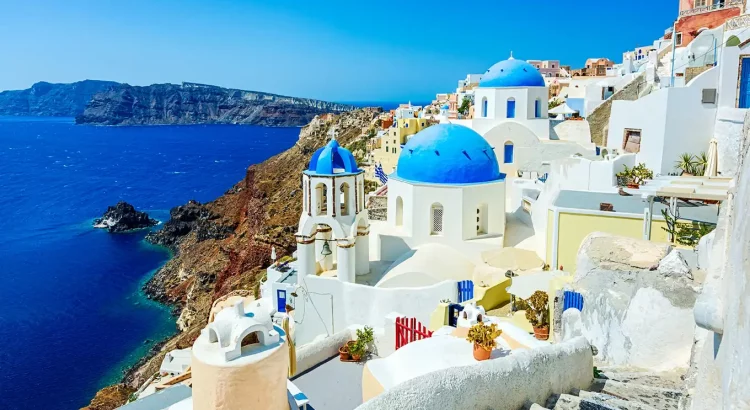
Greece is one of the most enchanting destinations in the world. Known for its ancient history, breathtaking islands, crystal-clear seas, and warm Mediterranean culture, the country attracts millions of travelers every year. From the mythical temples of Athens to the postcard-perfect landscapes of Santorini, Greece offers experiences that captivate all types of travelers.
In this complete guide prepared for QuickT-ravelBooking, you will discover the best of Greece — its regions, attractions, climate, and the ideal times to plan your visit.
Why Greece Is a Dream Destination
Greece is a country where the ancient and the modern blend harmoniously. As the cradle of Western civilization, it is home to iconic landmarks such as:
- The Acropolis
- Temple of Olympian Zeus
- Delphi’s archaeological site
- Knossos Palace in Crete
Beyond its historical richness, Greece also stands out for its incredible natural beauty. Turquoise seas, dramatic cliffs, volcanic islands, and golden beaches make the country a paradise for nature lovers. The food scene is another highlight: fresh seafood, olive oil, cheeses, local wines, and traditional dishes like moussaka, souvlaki, tzatziki, and baklava ensure unforgettable culinary experiences.
Main Regions of Greece and What They Offer
Greece is divided into several administrative regions, each with unique landscapes, traditions, and attractions. Here are the most important ones for travelers:
1. Attica — The Historic Heart of Greece
Attica is home to Athens, the country’s capital and cultural center. It is the most visited region and the gateway for most travelers.
Highlights:
- Acropolis and Parthenon
- Plaka District
- National Archaeological Museum
- Syntagma Square
- Coastal beaches of Athens Riviera
Perfect for history lovers, food explorers, and anyone who wants to feel the pulse of Greek culture.
2. Central Macedonia — Vibrant Cities and Ancient Ruins
The region’s main city, Thessaloniki, is known for its lively atmosphere, excellent food, and Byzantine heritage.
Must-visit attractions:
- White Tower
- Rotunda
- Archaeological Museum of Thessaloniki
- Halkidiki Peninsula (beaches and resorts)
Ideal for travelers looking for nightlife, culture, and beautiful beaches.
3. Crete — Mythology, Mountains, and Mediterranean Beauty
Crete is the largest Greek island and a destination on its own. It combines beaches, mountains, and archaeological treasures.
Top attractions:
- Palace of Knossos
- Balos Beach
- Elafonisi Pink Beach
- Samaria Gorge
- Chania Old Town
Crete is perfect for families, adventurers, and travelers looking for diverse landscapes.
4. Cyclades — The Famous Greek Islands
This island group includes some of the most iconic destinations in Greece.
Highlights include:
- Santorini: sunsets, white houses, volcanic beaches
- Mykonos: nightlife, luxury hotels, windmills
- Naxos: long beaches, villages, authenticity
- Paros: charming towns, relaxed atmosphere
Great for couples, groups of friends, and anyone seeking sea, sun, and stunning views.
5. Ionian Islands — Emerald Waters and Italian Influence
Located on the western coast of Greece, these islands are greener and culturally influenced by Venice.
Main islands to visit:
- Corfu
- Zakynthos (Navagio Beach)
- Kefalonia
- Lefkada
Expect dramatic scenery, lush nature, and some of the best beaches in Europe.
6. Peloponnese — Ancient Sites and Stunning Nature
This region is rich in history and archeological landmarks.
Must-see spots:
- Olympia (birthplace of the Olympic Games)
- Mycenae
- Epidaurus Theater
- Nafplio Town
- Mani Peninsula
A great choice for road-trip lovers.
Climate in Greece: What to Expect
Greece has a Mediterranean climate, marked by mild winters and hot, dry summers. The weather varies depending on the region and elevation, especially between the islands and mainland.
Spring (March to June)
Mild temperatures and blooming landscapes make this one of the best seasons to visit. Perfect for sightseeing and outdoor activities.
Summer (June to September)
Hot, sunny, and lively — ideal for island hopping, beaches, and festivals. However, it is high season, so prices and crowds are at their peak.
Autumn (September to November)
Pleasant temperatures, warm seas, and fewer tourists. Excellent for cultural visits and coastal trips.
Winter (December to March)
Cold in the mountains and mild on the islands. A quiet season with lower prices. Better for cultural tourism than beach trips.
Best Time to Visit Greece
Your ideal travel period depends on the type of experience you want:
✔ For beaches and island hopping:
June to September, with July and August being the hottest and most crowded months.
✔ For lower prices and great weather:
May, June, September, and early October — the best balance of climate and cost.
✔ For history and cultural trips:
March to June and September to November are ideal.
✔ For avoiding crowds:
Choose May, early June, late September, or October.
✔ For skiing or mountain scenery:
December to March in northern regions like Macedonia and Epirus.
Why Greece Captivates So Many Travelers
✔ It blends ancient history with modern charm
✔ It offers some of the world’s most beautiful islands
✔ The food is fresh, diverse, and delicious
✔ The culture is warm, welcoming, and lively
✔ The landscapes range from beaches to mountains
✔ It fits all budgets and travel styles
Greece is not just a destination — it is an experience that stays with you forever.
Conclusion
Whether you want to explore ancient sites, relax on beaches, hop between islands, enjoy local gastronomy, or experience vibrant cities, Greece has something unforgettable to offer. With its diverse regions, rich culture, pleasant climate, and natural beauty, it remains one of the most magical destinations in the world.
A trip to Greece is the perfect combination of history, nature, and charm — a journey that inspires and enchants from start to finish.